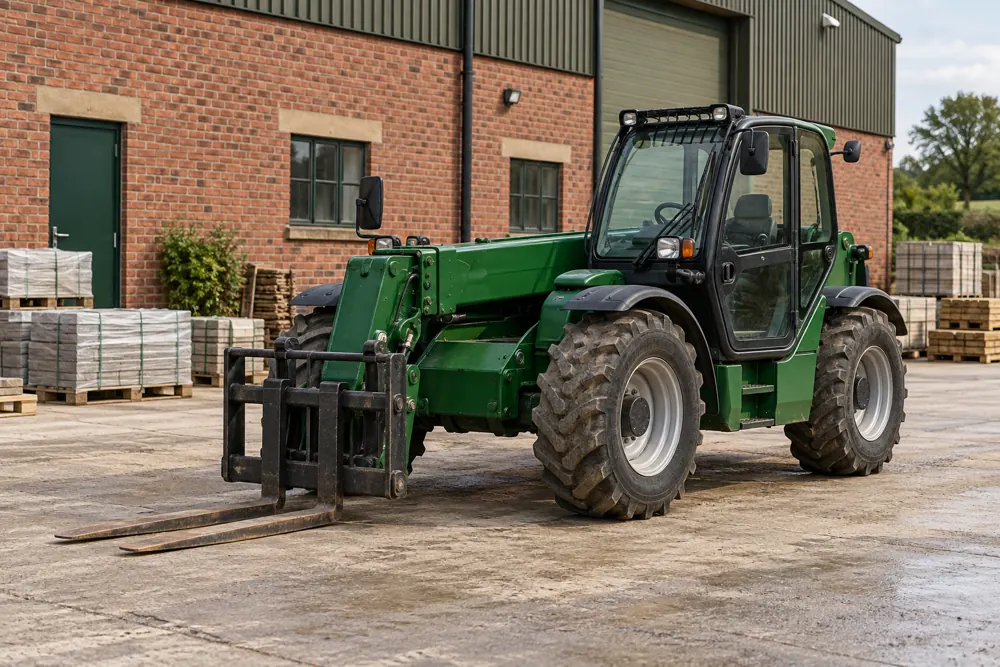
Handling Materials On Commercial Sites
A telehandler can support pallet handling and material distribution where the work needs a combination of lift height and forward reach. Selecting one from maximum lift height alone leaves out the load position and the conditions in which it will travel. We take hire enquiries that describe the handling task, required dates and the practical limits of the site.
Tell us what is being moved and how it is presented. A standard pallet, long material and an attachment-specific task have different handling implications. If you have a preferred size, include it as a starting point together with the actual load and landing position.
Capacity At The Required Reach
Provide the load weight, dimensions and centre of gravity information where available. Explain the required lift height and forward reach, including any setback between the machine and the landing point. The final selection must be checked against the actual machine’s rated capacity chart and approved attachment configuration.
Avoid treating nominal capacity as a promise that the machine can lift that weight at every boom position. Outriggers, tyre specification and the ground or support arrangement may affect the permitted operating configuration. The competent person planning the handling work should resolve these details before the hire is accepted.
Attachments require separate attention. Tell us whether forks are enough or whether a specific approved attachment is required. Do not plan to adapt the machine on site or improvise a lifting arrangement because the original enquiry omitted the load details.
Routes, Visibility And Ground Conditions
Describe the travel route, slopes, surface condition and any weak areas or covers. Include narrow turns and overhead restrictions, not only the final lifting position. The site needs safe separation between pedestrians and vehicle movements and clear arrangements for delivery vehicles that share the same routes.
Ask the site team to identify the unloading position and receiving contact before delivery. If the work is inside a building, specify ventilation, emissions restrictions, floor capacity and overhead clearance. A telehandler suitable for an outdoor yard should not automatically be assumed suitable for an enclosed workplace.
A description and photographs help with the enquiry, but they do not replace a competent assessment of ground support or a lifting plan. Any operating limitation should be dealt with before the machine is brought into the working area.
Training, Planning And Examination
The Lifting Operations and Lifting Equipment Regulations 1998, or LOLER, apply to lifting operations. Planning by a competent person, suitable supervision and relevant thorough examination are part of the requirements. Check HSE’s lifting operations guidance when planning the work.
PUWER duties also apply to hired work equipment. Confirm operator competence and familiarisation with the specific machine and attachment. A hire handover explains the supplied equipment but does not replace the training and authorisation needed to operate it.
Before the telehandler starts work on your Birmingham site, obtain its applicable examination records and the instructions for the supplied machine and attachment. Check the machine and attachment identities against the documents provided. Report defects promptly and stop using equipment where a fault makes operation unsafe.
Hire Terms And The Delivery Programme
The machine specification, duration, attachment and transport arrangements affect the price. Fuel, additional operating hours, cleaning and damage arrangements can also change the total. Request an itemised quotation and check VAT, return conditions and the process for extending the hire.
State whether the telehandler is needed throughout the project or only for particular delivery stages. Give the expected material delivery dates without treating them as a confirmed hire booking. For excavation and material movement alongside lifting, compare the requirements on our plant hire page and dumper hire guide.
Telehandler Hire Questions
How Do I Choose A Telehandler’s Lift Height?
Telehandler lift height must be considered with the load weight, forward reach and actual landing position. Provide all of those details so the proposed machine can be checked against its capacity chart. Maximum height and maximum capacity are separate headline figures and should never be treated as a combined operating allowance.
Are Forks And Attachments Included?
Telehandler forks and other attachments are included only as stated in the agreed quotation. Identify the load and the attachment required when enquiring, then confirm compatibility, documentation and any separate charges. An attachment changes the handling setup and may affect capacity, so a substitution needs checking before the machine is used.